

Living with the Confusion
When embracing confusion is just the beginning

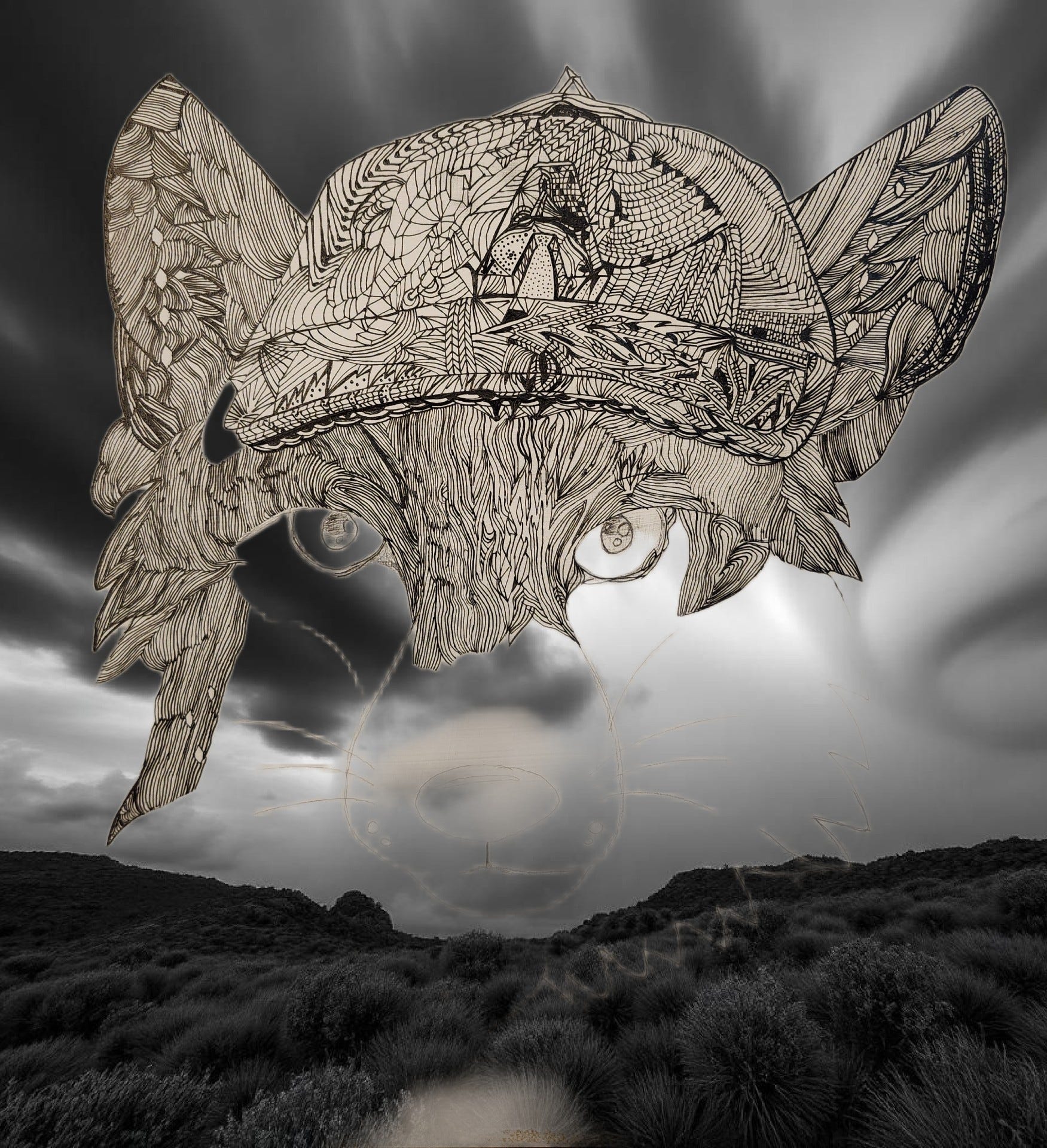
At my freshman orientation at Dartmouth College in New Hampshire, one of the professors simply said, 'The academic expectations will be overwhelming. Many times just outright confusing. Just jump into the confusion. Don't avoid it.'
I kept that as a mantra for the six years it took me to complete a four-year degree. As an autistic person, I had a non-traditional learning style. Essentially, I had to jump into two types of confusion. The confusion of a new unknown environment and the confusion of processing neurodivergence in a neurotypical landscape.
But as those years unfolded, I realized the professor's advice, while well-intentioned, missed something crucial about my reality. I didn't need to jump into confusion. I was always in it.
The Double Constant
My jumping into confusion wasn't a single variable; it was a double constant. While other students from my class engaged in leisure social activities, I was shocked that they had the disposable time. Their confusion seemed episodic, something they could encounter and move through. Mine was atmospheric.
The confusion began when I got the syllabus. How to prepare for each stage of the quarter, practicing what to say in discussion. Note-taking in lectures was anxiety-provoking because my executive functioning impaired my keyboard speed. Discussion workshops moved from big picture to micro details, while I worked bottom up, seeing details before the larger patterns emerged.
My papers were non-linear but rich with insight. Professors in office hours would try to reel in my ideas into neurotypical cohesion, translating my detail-first thinking into their expected structures.
Altogether, there were no embarrassing or event moments. I was always in the confusion. It was unavoidable.
When Confusion is Home
What I learned over those six years wasn't how to jump into confusion. It was how to live there. How to build a sustainable relationship with permanent uncertainty rather than treating it as a temporary obstacle to overcome.
The traditional narrative suggests confusion is a fog that lifts, a problem that gets solved, a state you move through. But for many of us navigating systems not built for our brains, confusion isn't a phase. It's a condition. The question isn't whether to engage with it, but how to exist within it.
I saw details before big picture, which meant my understanding developed in reverse of how information was typically presented. Instead of fighting this pattern, I learned to trust it. My non-linear papers, once sources of frustration, became pathways to insights that straight-line thinkers might miss.
The anxiety of note-taking didn't disappear, but I developed workarounds. Recording lectures, finding alternative ways to capture information that honored both my processing speed and my need to understand.
The Wisdom of Permanent Uncertainty
My confusion with the world and the shape it's in and how I can reconcile with it still exists. But I'm still okay with the confusion because it never really won.
This is perhaps the deepest lesson: confusion doesn't have to be conquered to be livable. You don't have to solve uncertainty to move through it. Sometimes the bravest thing isn't jumping or embracing confusion, it's staying present within it, day after day, without needing it to resolve and see what emerges that is useful. In the darkness a glimmer is easier to find.
For those of us whose brains work differently, who process the world through alternative patterns, confusion isn't a barrier to clarity. It's often the medium through which our particular kind of understanding emerges.
The professor's advice assumed confusion was optional, something you could choose to engage with or avoid. But what if confusion is simply where your body resides? What if the goal isn't to simply embrace it, but to make it home?
Six years taught me that persistence within permanent uncertainty isn't about jumping in, it's about facing it and perhaps reframing it to get a rush from it. The rush of finding patterns in chaos that others miss. The thrill of discovering insights that emerge precisely because my brain doesn't follow conventional paths. It's about building a life of value even when the world doesn't make immediate sense, even when your brain operates from an unusual starting point compared to the systems around you that you were born into without choice in the matter.
Simone Weil wrote that attention is the rarest and purest form of generosity. Living in permanent confusion taught me what she meant. When you can't rely on quick understanding or conventional clarity, you learn to give your full attention to what's in front of you. The details others rush past become the foundation of your insight. The confusion others avoid becomes the space where you practice the deepest form of generosity: complete presence.
The confusion didn't resolve. I learned to live there and can write about it here, today.
In the darkness a glimmer is easier to find.
=Mr. A =Attention Maps
Sometimes for us neurodivergent minds, we traverse between dimensions, causing the likes of reality to blur. We are both terrified and comfortable at the same time. I get lost in the confusion, but I also know exactly where I am. Really well articulated Mr A
Did you know then that you had to come up with your system, or was it an intuitive move?